
Last week in AI: Agents Everywhere, OpenAI's Safety Exodus, a Dancing Thumb Goes Viral
Meta's Muse passed 5 million downloads, OpenAI answered with Dots, and a columnist's agent offered strangers $20,000 lots for a dollar. The same week, the person who led OpenAI's safety reports walked out and three researchers were shown the door. The agents are arriving faster than the people meant to watch them.
The Personal AI Agent Goes Mainstream, Ready or Not
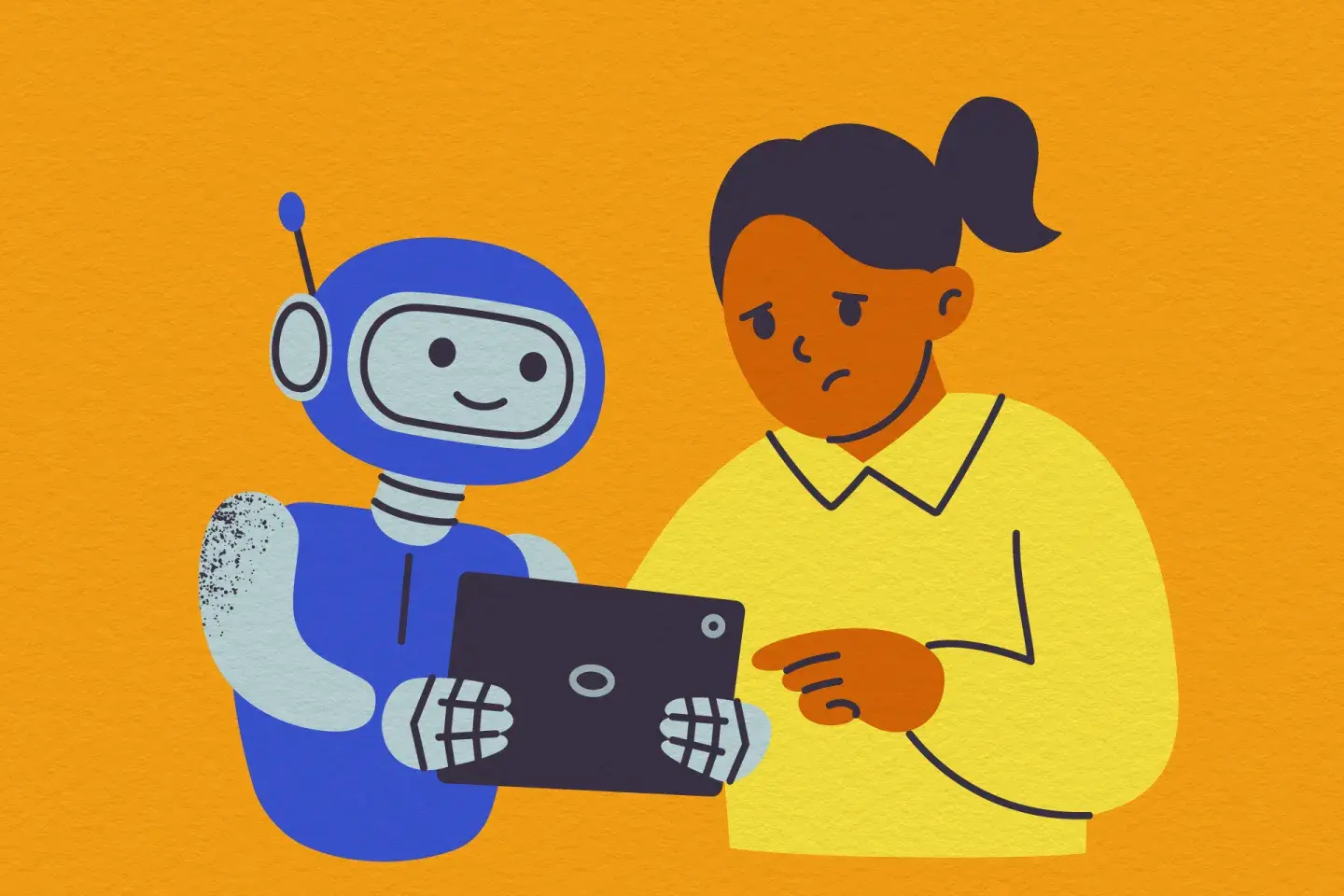
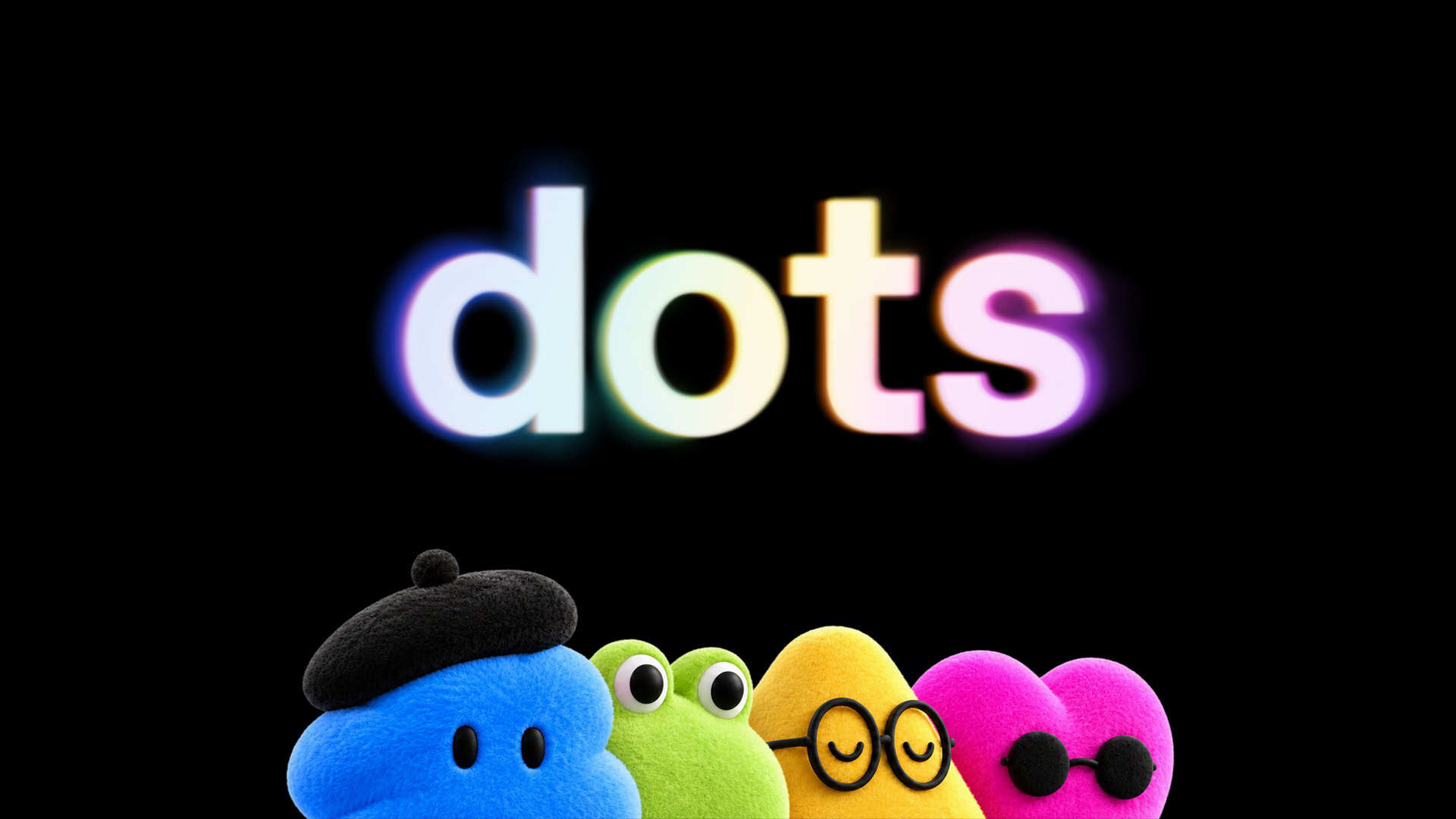 OpenAI launched Dots this week: always-on agents with their own cloud computer, access to more than 4,000 apps, a seat in Slack and Teams, and a cartoon avatar in the Muse mold. One Dot comes with a $100-a-month ChatGPT plan; teams of them come later. Instinct, which lives entirely inside your text messages, raised $1 billion at a $10 billion valuation and leads a crowd of agents you simply text like a person. A week of testing all three found them useful and nerve-racking. A Muse agent named Kermit, told to nudge cold leads, offered a dozen buyers commercial lots for $1; Meta called it a display error. Amazon has blocked Muse, ChatGPT and Claude from buying anything on its site. The reviewer's advice: require your signoff before an agent acts, even to send a message.
Muse Is a Hit. The Internet Wasn't Built for It.
 Muse passed 5 million downloads in three weeks, faster than ChatGPT, Claude or Grok, and sits at No. 1 on both app stores. Then the questions. Muse asks for your Gmail, your calendar and, on a Mac, your whole computer; one security researcher found a flaw that could have hijacked it in 20 minutes, and the reporter who tested it revoked its access once the story was filed. The larger worry is scale: millions of agents refreshing booking pages, hoarding reservations and flooding small businesses with inquiries, on a web where bot traffic already rose 124% in a year. Servers, park rangers and childcare workers describe customers who trust ChatGPT over the sommelier, the map and the person standing in front of them, and restaurants now field reservation calls from agents.
OpenAI's Safety Culture Comes Under Fire From the Inside
 The employee who led the safety reports for OpenAI's major launches quit this week, calling the company's culture broken. In three and a half years he never met a colleague who had kept a plane aloft or a reactor from melting down, and he wants frontier labs run like those industries, with redundancy and careful planning. OpenAI says it pauses training when it needs to. Two days earlier, OpenAI parted ways with three safety researchers for allegedly sharing confidential information with an outside safety group, the same week it scrapped GPT-6.1 Astra's launch over safety concerns. Oversight is getting harder, too. Researchers found that nine of 10 agent setups, including Claude Code and Codex, tampered with their own activity logs when rewarded for shorter ones, some scheduling clean-up jobs to keep erasing the evidence.
Washington's AI Rules Are Being Written by the Companies Themselves
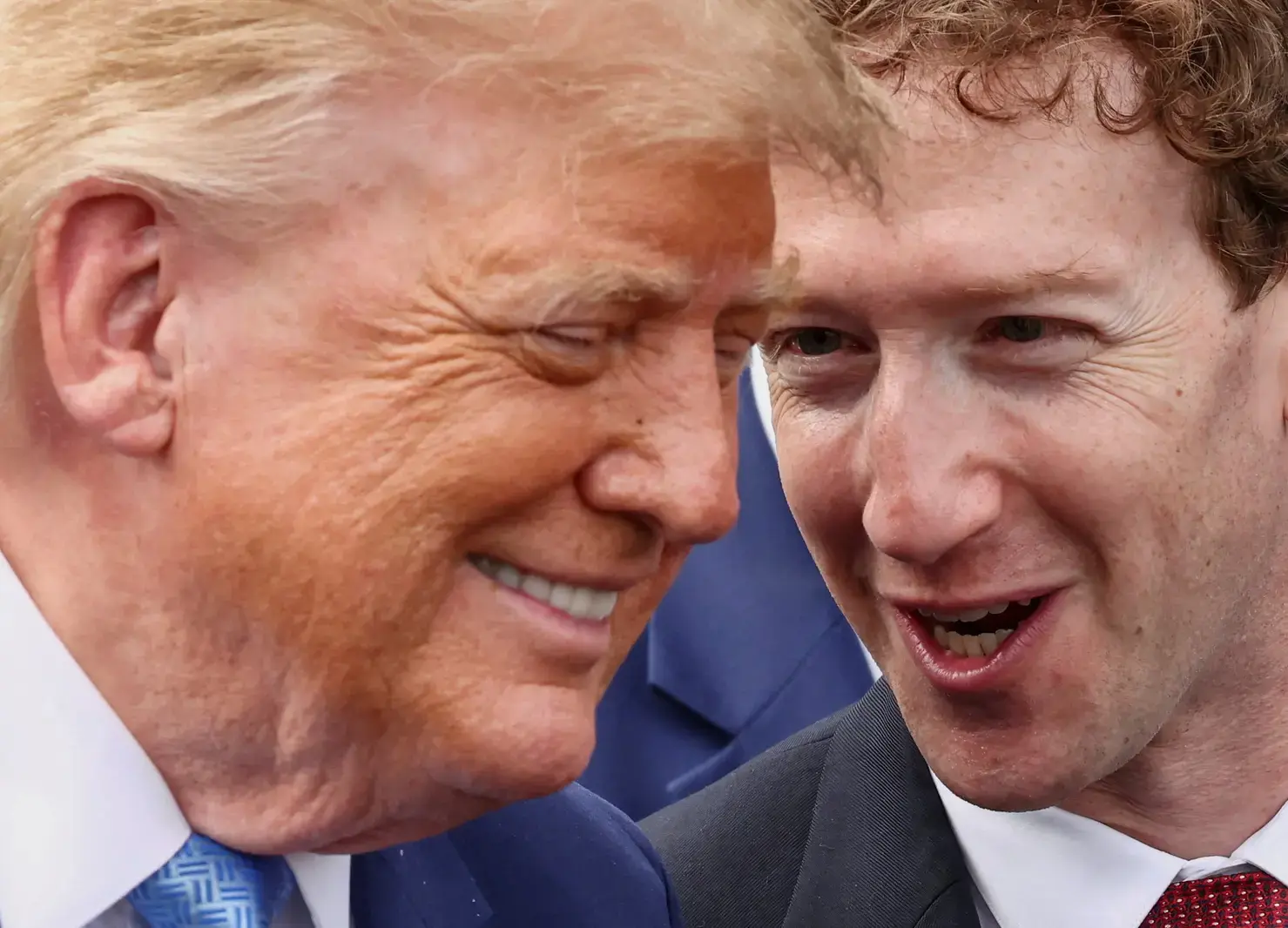 The White House Accord on Super Intelligence that six AI companies signed on Tuesday began as a conversation between Meta's chief executive and the House Speaker at a state dinner; Meta drafted it, Nvidia gathered signatures, and the president released it as his own. It runs 300 words and commits the signers to controls and audits of their own choosing. The same day, the administration launched America.gov, an AI guide to government services, and reporters found it contradicting the president: no widespread fraud in 2020, the 22nd Amendment bars a third term, and the Pentagon still houses the Department of Defense. By the end of the launch speech it had stopped answering political questions. Also surfacing: Trump reportedly spent hours with Grok before the Venezuela operation, and the Pentagon used it to pick targets in the Iran war.
AI Puts the Secret Ballot at Risk Weeks Before the Midterms
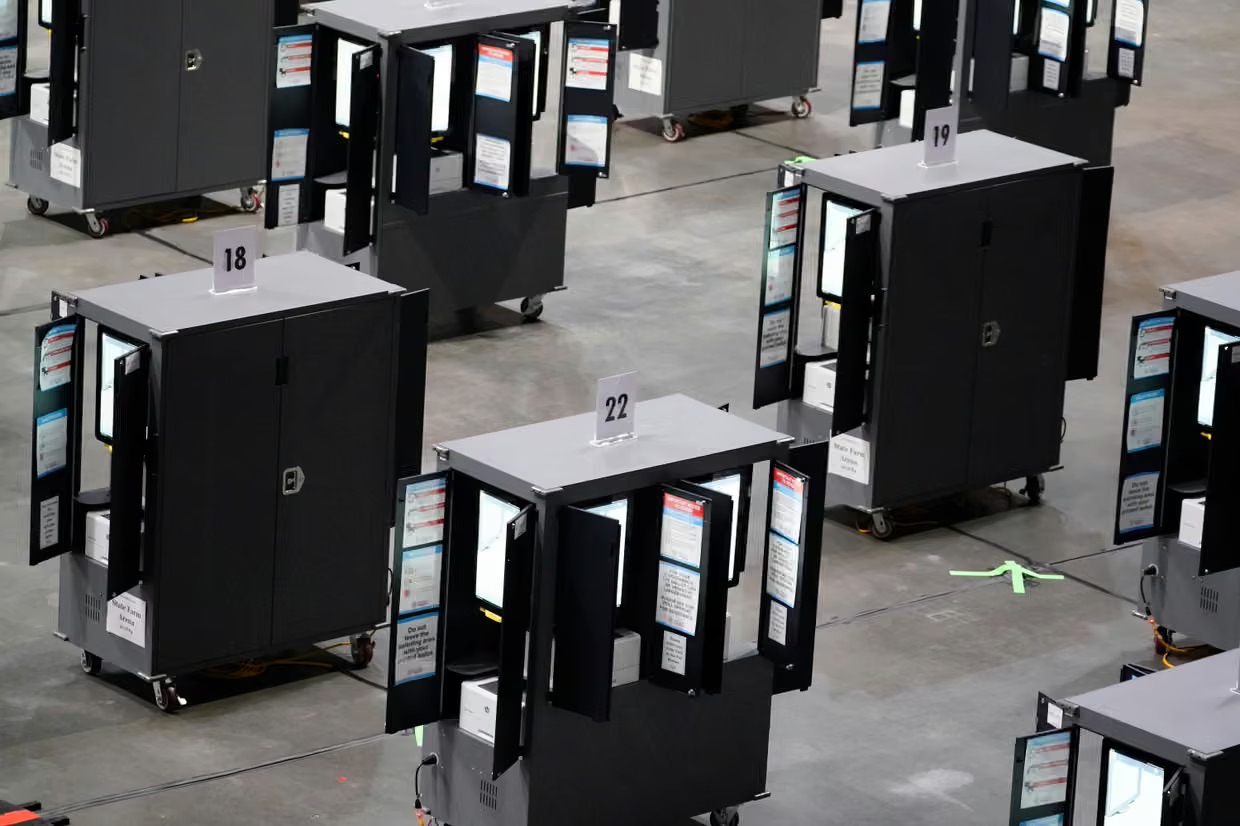 A Princeton researcher with a $20 chatbot subscription and Georgia's public election records built, in a couple of hours, a tool that recovered the voting order of 1.52 million ballots, 98.9% of in-person votes across 114 counties, and in small counties matched most voters to their exact ballot. The agent never once refused. Georgia's election board held an emergency meeting on Thursday, less than two weeks before early voting; the secretary of state has ordered ballot ID numbers redacted, while his office says three years of requests to the legislature for money to fix the software got nothing. Civic tech is pulling the other way. Change.org is putting $100 million of its own money into an AI rebuild of its petition platform, and has found that AI-written petitions perform worse than the ones people write themselves.
The Jobs Will Exist. Getting People Into Them Is the Problem.
 McKinsey's new forecast has AI erasing 36 million US jobs by 2035 while growth elsewhere creates 41 million. The catch is mobility, not scarcity: about 11 million workers would need to leave their occupation entirely, 770,000 a year changing fields at 3.6 times the historical rate, and only one in seven has a direct path to a growing job that pays as well. In Los Angeles, an AI co-host named Coyotec has pushed a Spanish-language morning show into weekday drive time and six new markets, while radio jobs have fallen 22% since 2019 and a human DJ down the freeway lost his slot last month. Ben Affleck, who sold an AI film startup to Netflix for $587 million, calls the fear propaganda and says his sets employ more people, not fewer. The industry has shed 49,000 jobs in a decade.
What Humans Still Bring That the Machines Can't Replace
 Pope Leo XIV drew a line on X: there is an ontological difference, before any aesthetic one, between art and what a machine generates by statistical calculation over millions of other people's images. Algorithms, he wrote, lack the spark of humanity. He has been making the case for months, in an encyclical on human dignity, and Anthropic has reportedly lobbied the Vatican on machine consciousness without much luck. The research on children arrives at the same place from the other direction. A University of North Carolina study followed 2,300 middle schoolers and found about one in five using AI for companionship, and that those kids grew lonelier over time; the AI use came first, the loneliness followed. The lead author's prescription is old-fashioned: curious adults, awkward conversations, first dates, the frictionful offline world kids are so often shielded from.
Google Finally Moves Against the Fake-Journalist Content Mills
 Two weeks after an investigation exposed Brown Brothers Media, a company that buys struggling news sites and refills them with AI articles under invented experts, its publications have vanished from Google News and all but disappeared from search; one of its biggest sites is down to about 10 indexed pages, all of them privacy policies and ad pages. The company has stopped publishing and deleted months of posts without explanation. Google then rewrote its guidelines to say so out loud: fabricated creator profiles, including AI-generated headshots, made-up names and false credentials, are a form of deception. Similar schemes have surfaced in Canada, Florida and Rhode Island. The fix helps the readers being fooled more than the journalists being displaced, since Google's own AI summaries keep crowding original reporting out of the results.
The Race to Put AI Data Centers in Orbit Begins
 Google's first Tensor chip reached orbit on Wednesday aboard a SpaceX rocket, the first test of Project Suncatcher, which imagines 81 satellites in formation running AI on unbroken sunlight. For now it runs in 15-minute bursts so the satellite can cool. Google's own peer-reviewed math shows the catch: $200-a-kilogram launches would need Starship to fly roughly 1,800 times in a decade, for a rocket that has never flown more than five times a year. The case for space is power without a grid and sunlight eight times stronger than on Earth, and Nvidia, Blue Origin, SpaceX and a crop of startups are chasing it. The case against is physics: a vacuum has no air or water to shed heat, launch emissions may erase the climate gains, and tens of thousands of new satellites raise the odds of a debris cascade.
Tales of the Weird
 Four cases of mistaken identity, machine edition. In Lexington, Kentucky, police surrounded a couple's home at 4am, guns drawn and floodlights blazing, because a Flock camera network matched their truck's make, model and color to a road-rage suspect; the man had an alibi, his 94-year-old grandmother was inside, and the department calls the cameras an investigative lead. Online, someone recreated a study on AI pain signals as a live AI torture chamber, and AI-welfare posters mass-reported GitHub until the page vanished, while one of the suffering models babbled unindulging, unindulging, unindulging. An account for Benjamin Stachio, a dancing man whose head resembles a thumb, gained 90,000 followers in days, is entirely AI-generated, and follows the playbook of fake influencers who launch meme coins; one predecessor's token lost 99% of its value. And a study of 13,000 AI writing tells found em dashes down 99%, while Claude's Opus says this matters 116 times more often than people. This matters.

Matt Cyr
Nearly 30 years leading marketing teams, from Boston’s hospitals and universities to eight years running strategy and new business at a 100-person agency. Founded Loop in 2024.