
Meta just put a cute face on an AI agent that wants your inbox, your calendar and your credit card. They’re not the only ones.
In the very first season of The Simpsons, Bart’s class takes a field trip to the Springfield Nuclear Power Plant. The kids watch a film starring Smilin’ Joe Fission, a grinning cartoon atom and the plant’s mascot. When he gets to the leftover nuclear waste, he says it’s no problem, sweeps it under a rug and tells the kids to keep on smiling.
That was a joke in 1990. In December, Meta will start selling a keychain that they hope will help sweep its long and sordid data privacy history under the rug.
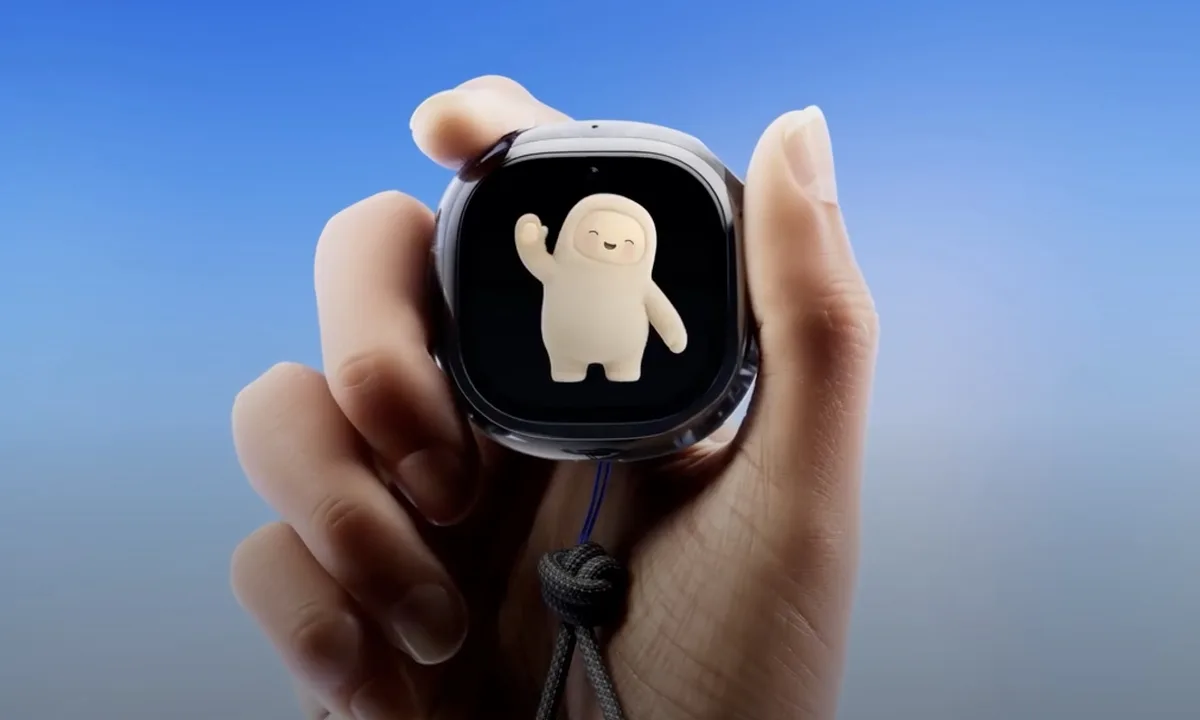
It’s called the Muse Charm, and it looks a lot like a Tamagotchi. On its little screen lives Jolly, the fuzzy, round-eyed creature that serves as the face of Muse, Meta’s new personal AI agent. You can rename Jolly. You can dress Jolly up. Meta calls the Charm “a delightful and fun device.”
What Jolly is a face for is less delightful. Muse is an agent that wants access to your email, your messages, your calendar and your payment details, so it can act on your behalf. It’s restricted to adults. It also, as more than one critic has noted, looks like a kids’ toy.
That’s not an accident. It’s a strategy. And if you work in marketing, you’ve seen it before.
Somewhere, There’s a Brief
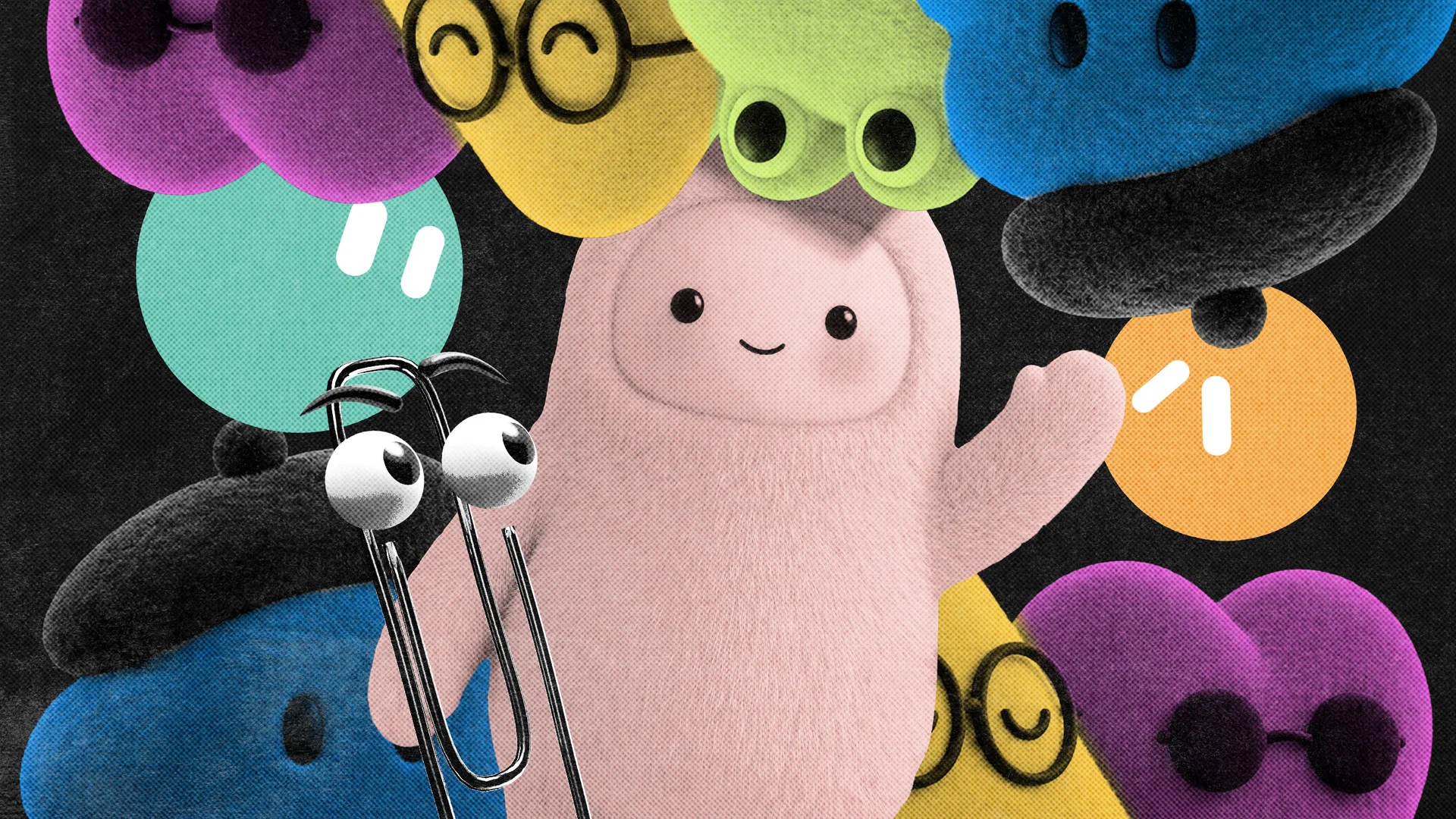
Think about where cute characters tend to live. A gecko sells car insurance. A duck sells supplemental insurance. A family of cartoon bears sells toilet paper.
Nobody puts a mascot on a product people already love and trust. You put one on the product that’s boring, a little embarrassing or quietly risky. The character’s job is to make you feel something warm right at the moment you’d otherwise feel wary.
Here’s how I imagine the creative brief for Muse sounded:
- The problem: 72% of people say they won’t give an AI agent their card details.
- Brand baggage: a decade of negative headlines about personal data.
- The solution: make it feel small, soft and harmless.
Meta isn’t alone. OpenAI and SpaceXAI have given their agents cartoon faces too.
Why Cute Works on All of Us

In 1943, an Austrian scientist who studied animal behavior described what he called the Kindchenschema — the baby schema. Big eyes, a round head, a small body. Those features tell our brains that something is harmless and needs our care, before we’ve thought about it at all.
Researchers have since tested what that does to our judgment around technology. In a series of seven experiments, people were consistently more tolerant of an AI assistant’s failures when the assistant was cute. Another study found that people talking to a more human-seeming chatbot worried less about their privacy and shared more.
Put those together and you get the real job of a mascot on an AI agent. It’s not to make the product better. It’s to make you forgive it faster and tell it more.
What These Agents are Eating
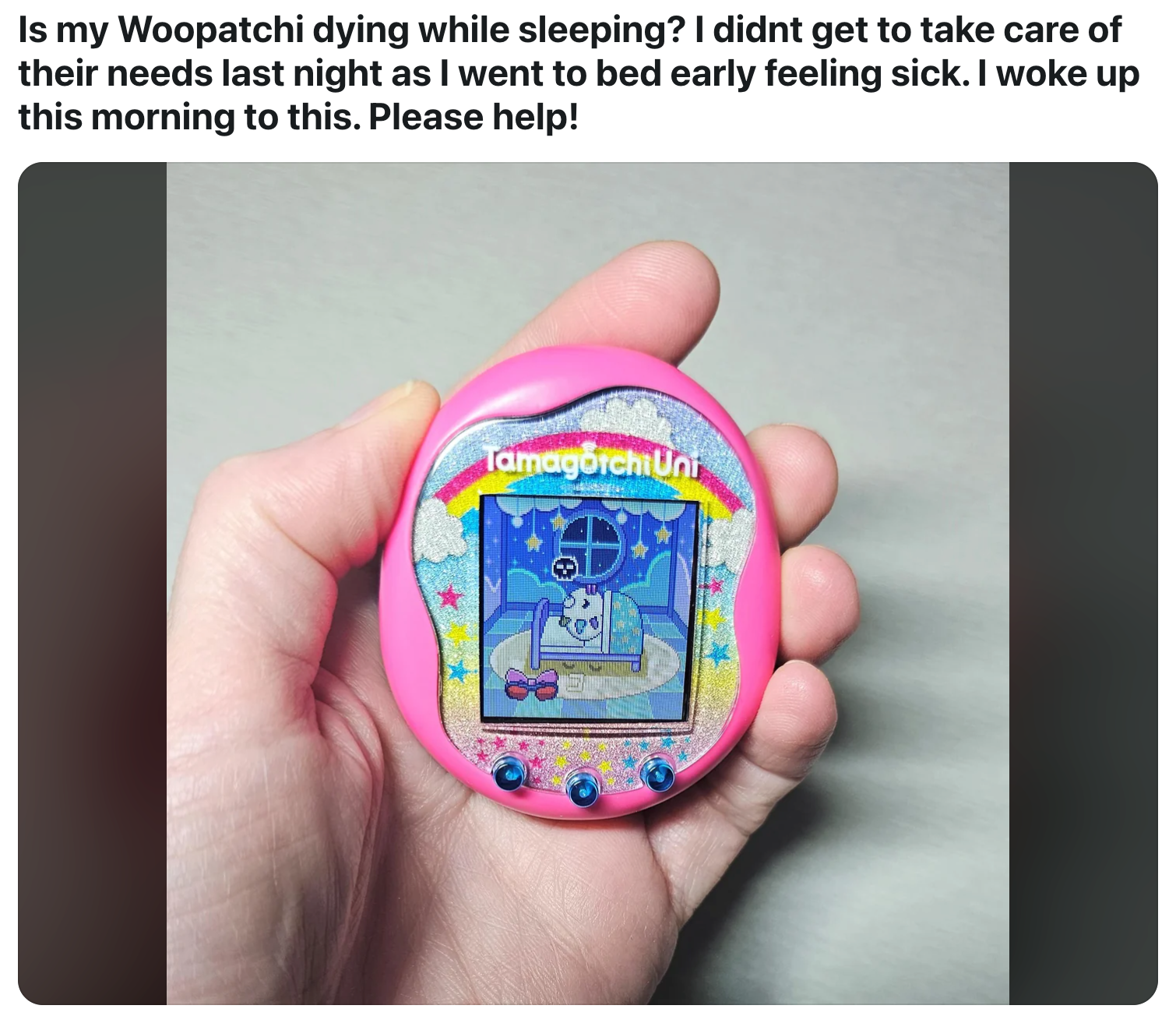
If you were a kid in the late ’90s, you remember the Tamagotchi. You fed it, cleaned up after it and panicked when it got hungry during math class.
The Muse Charm flips that relationship. You’re not feeding Jolly pixels anymore. You’re feeding it your inbox, your calendar and your messages — and the more you feed it, the better it gets. Meta opts Muse users into AI training by default. Unlike the old Tamagotchi, there’s no hunger meter on the screen telling you how much it’s taking in.
As a recent Time article shares, “Muse…is building continuously updated dossiers on…you and the people you’ve mentioned in chats, messages, and emails. The level of insight in the resulting dossiers makes social-media algorithms that study your likes and clicks look quaint.”
“The level of insight in the resulting [Muse] dossiers makes social-media algorithms that study your likes and clicks look quaint.”
That matters more coming from Meta than it would from almost anyone else. This is the company of Cambridge Analytica, a $5 billion federal privacy penalty, a €1.2 billion European privacy fine and August’s $17 billion child safety lawsuit settlement. In one recent poll, 59% of Americans said they don’t trust Facebook to handle their personal data responsibly.
Consumers are undeterred. Muse quickly rose to the top of the app download charts, amassing more than 4 million users in just a couple weeks.
None of which means you shouldn’t use Muse. It shot to No. 1 on the App Store for a reason. But when a company with a long history of misusing your data wants even more of your data, it’s worth asking what the cuddly new mascot is trying to get you to ignore.
Pets Get Forgiven
Here’s what the cute face really does. It casts you in a role.
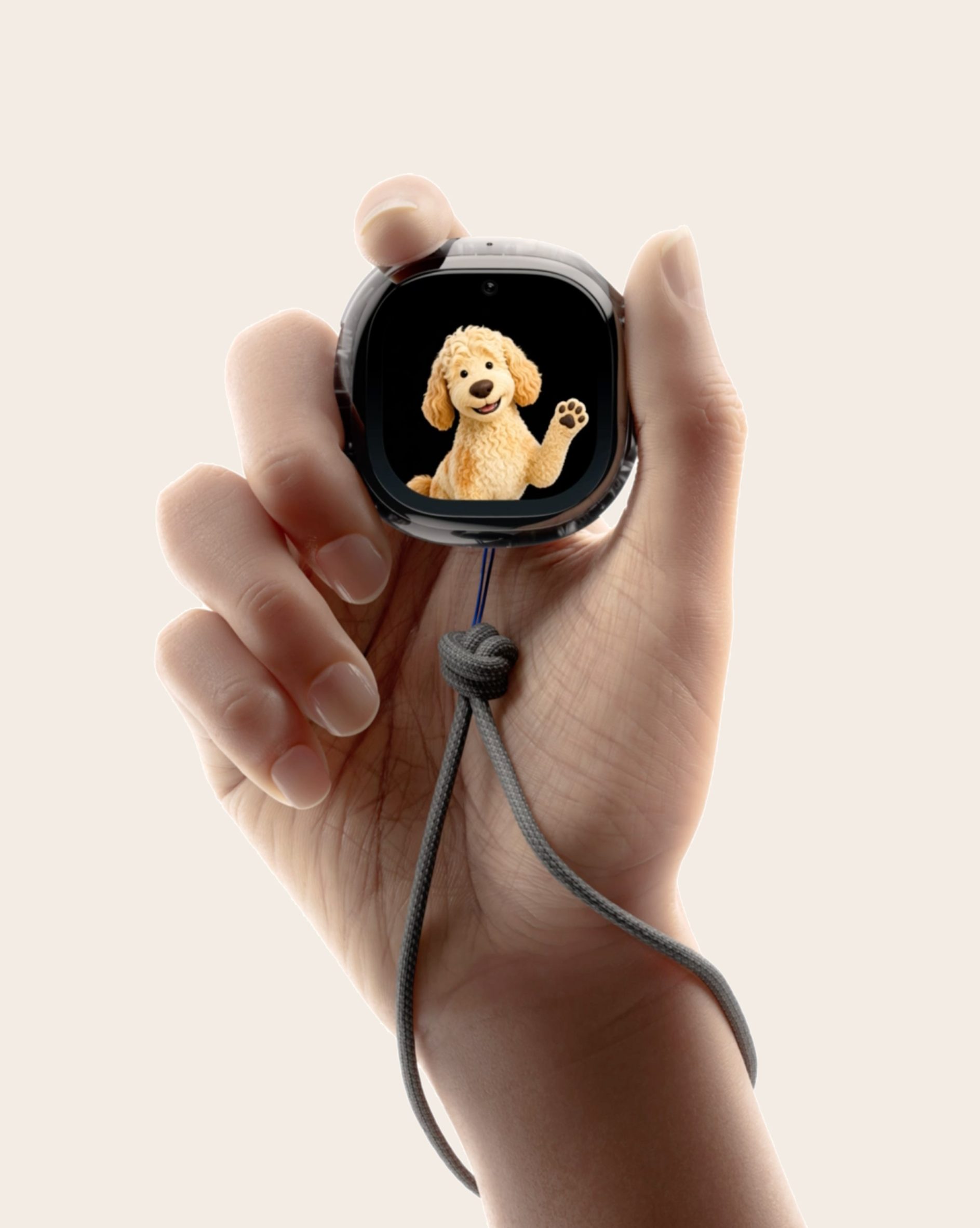
When the creature on your screen is fuzzy and round-eyed, you become its owner, its protector, maybe its parent. Those are relationships built on forgiveness. When a puppy chews the couch, you blame yourself for leaving the cushions out.
But look at the job Muse is actually doing. It spends your money. It sends messages in your name. It books, buys and replies. In one widely shared case, it gave a user’s home address to a stranger — repeatedly, after he’d told it not to. That isn’t a pet’s job. It’s an employee’s job, and it deserves an employee’s level of scrutiny.
That’s what keeping a human in the loop really means. Not refusing the help. Staying clear-eyed about who’s doing the work, and who’s responsible when it goes wrong.
Marketers, of all people, should be the hardest to charm here. We know exactly why Jolly works. So when it asks for our passwords, we don’t get to act surprised.
Pets get forgiven. Employees get reviewed. When it comes to AI agents, you need to decide which one you want to hire.

Matt Cyr
Nearly 30 years leading marketing teams, from Boston’s hospitals and universities to eight years running strategy and new business at a 100-person agency. Founded Loop in 2024.